


Red Saree Styling Guide: Gold, Pearl or Kundan Jewellery for Durga Puja
There's a moment every Durga Puja morning when the dhaak starts, the conch shell sounds, and women across Bengal step out in their red and white sarees for Ashtami Anjali. It's one of the most photographed, most anticipated looks of the entire festival, and choosing the right Durga Puja jewellery from Voylla to go with it can genuinely make or break the moment. Gold, pearl, or kundan, each brings its own character to the red saree, and this guide breaks down exactly how to choose (and style) the one that suits you best.
Unlike everyday festive dressing, the red saree carries deep symbolic weight during Durga Puja. It's not just an outfit choice; it represents devotion, tradition, and a very specific kind of Bengali elegance that's been passed down for generations. Because the saree itself is already visually striking, the jewellery you pair with it needs to enhance rather than compete, which is exactly why getting this pairing right matters so much.
Why Red Sarees Are Iconic During Durga Puja
The red and white saree, often a simple cotton or tant weave with a red border, has become inseparable from the image of Durga Puja itself. It's traditionally worn on Ashtami morning for Anjali, though many women choose to wear variations of it throughout the festival's five days. The colour combination is rooted in symbolism, red representing power and auspiciousness, white representing purity, echoing the very qualities associated with Goddess Durga.
What makes this saree so enduring as a style statement is its simplicity. Unlike heavily embroidered festive wear, the red saree relies on clean lines and bold colour rather than intricate embellishment. This simplicity is precisely why jewellery plays such an outsized role in completing the look. A well-chosen necklace or pair of earrings can transform a basic red saree into a striking, photograph-ready outfit, which is exactly why Durga Puja jewellery shopping intensifies in the weeks leading up to the festival.
Every year, this look also evolves slightly. While the saree itself remains fairly traditional, the jewellery styling around it shifts with current trends, this year leaning toward layered necklaces, oversized earrings, and a mix of textures that give the classic red-and-white base a fresh, modern edge.
Gold Jewellery with Red Sarees
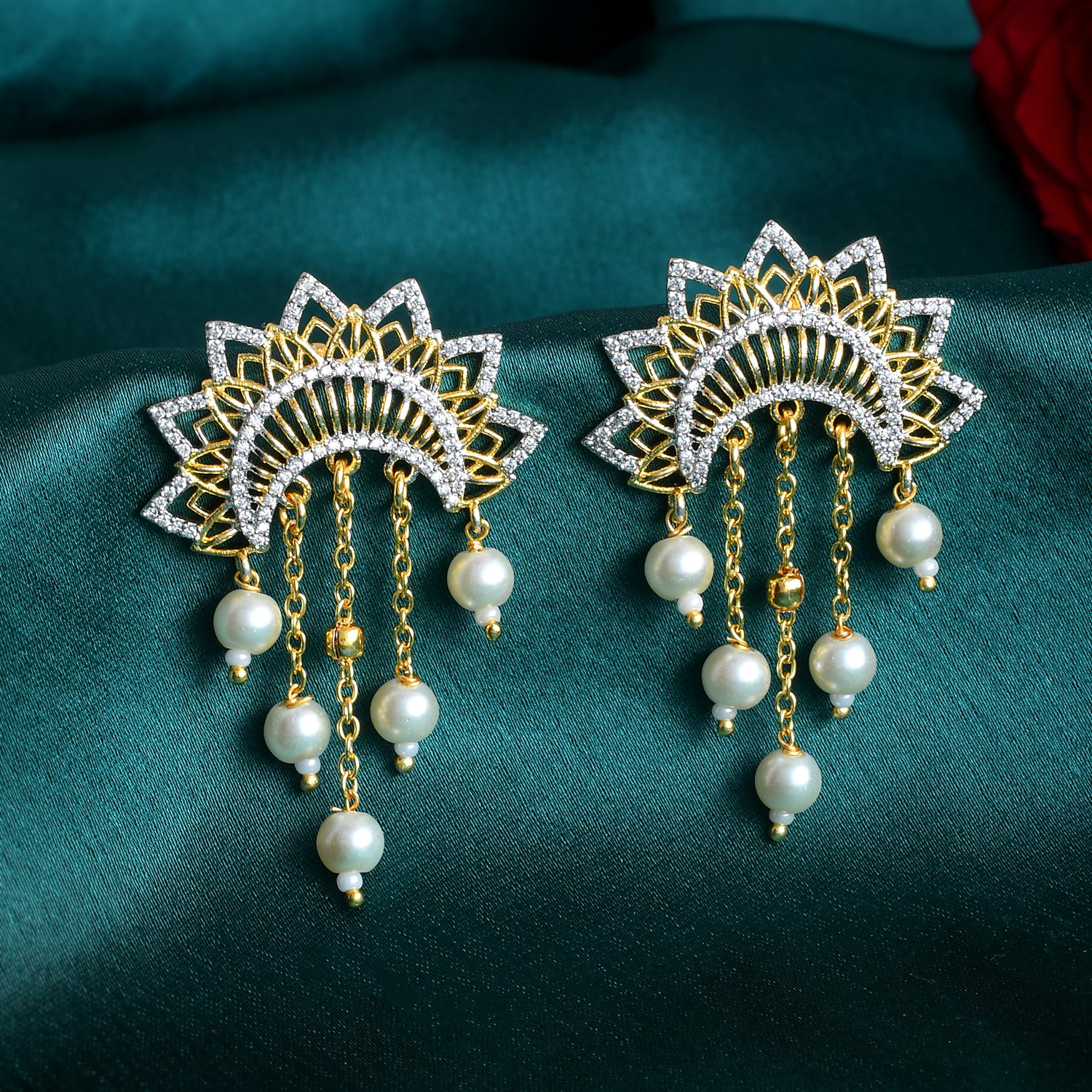
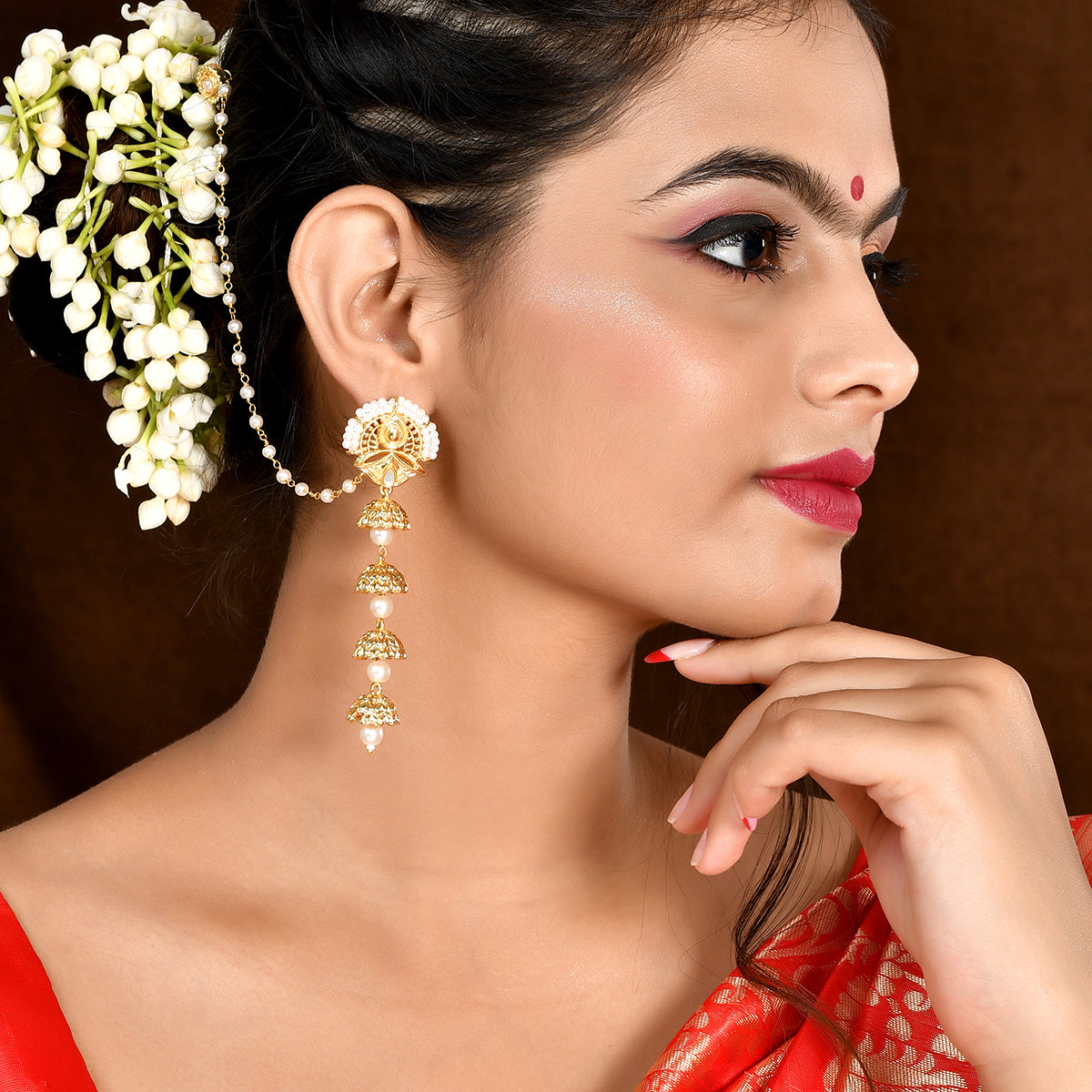
Gold remains the most classic, most universally flattering choice for a red saree, and for good reason. The warmth of gold against red creates a rich, high-contrast look that photographs beautifully in both daylight and the golden glow of pandal lighting. A traditional necklace for women in antique or temple-finish gold is the go-to choice for Ashtami morning, often paired with matching jhumkas for a complete, cohesive look.
If you're going the gold route, consider a gold plated necklace set that includes coordinated earrings, this takes the guesswork out of matching pieces and ensures your entire look feels intentional rather than thrown together. Temple-style gold jewellery, with its deity motifs and intricate detailing, adds an especially devotional touch that feels appropriate for the ritual significance of Anjali morning.
For those who prefer a lighter approach, a single gold pendant necklace paired with small gold studs offers understated elegance without overwhelming the saree's simplicity. This works particularly well for younger women or anyone attending multiple events across the day, where comfort matters as much as style. Round out the look with a few gold plated bangles stacked on one wrist, and you have a complete, effortlessly festive outfit.
Gold jewellery's versatility doesn't end with Ashtami either, the same pieces easily carry through to Navami and Dashami, making it a genuinely practical investment for the entire festival rather than a single-day purchase.
Pearl Jewellery with Red Sarees
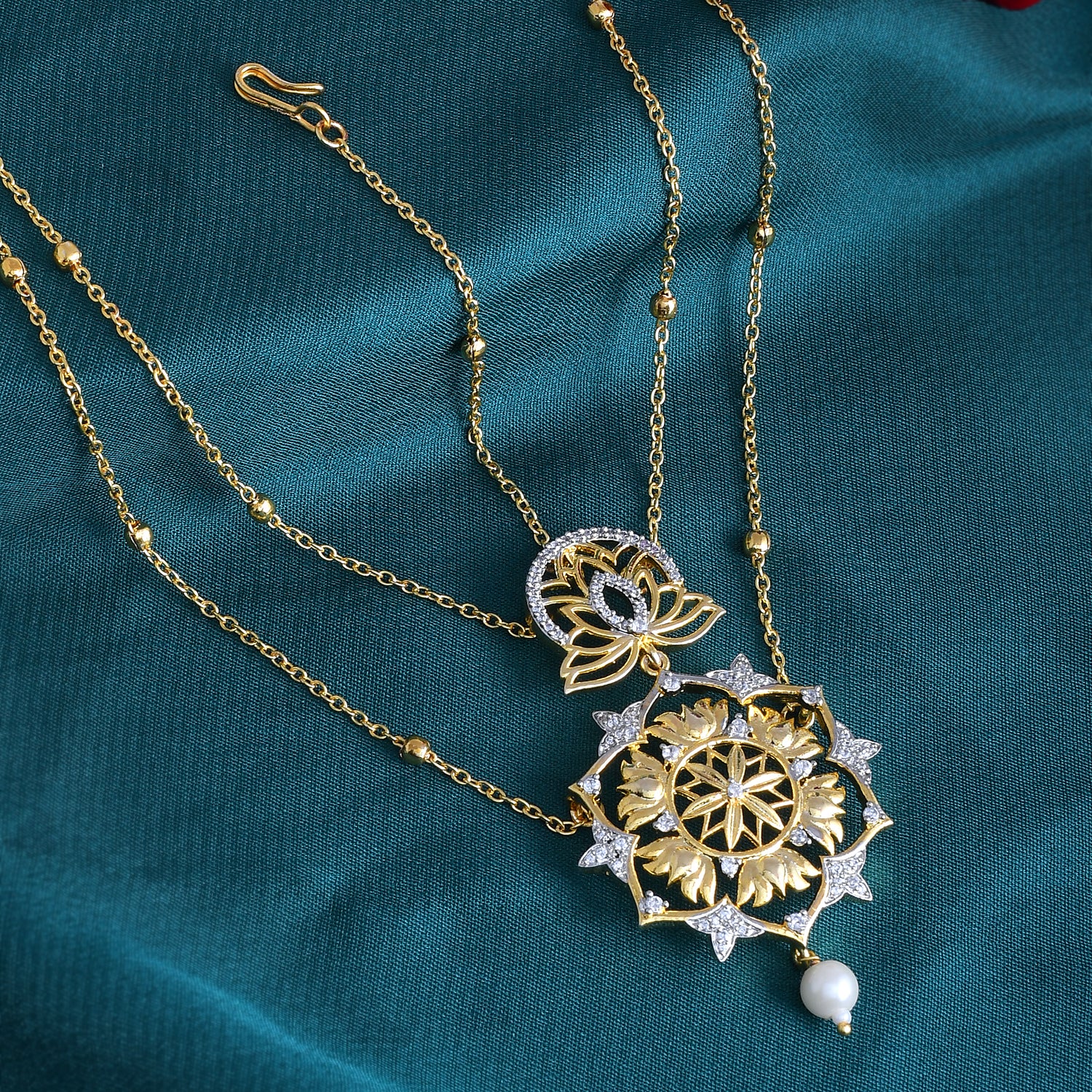
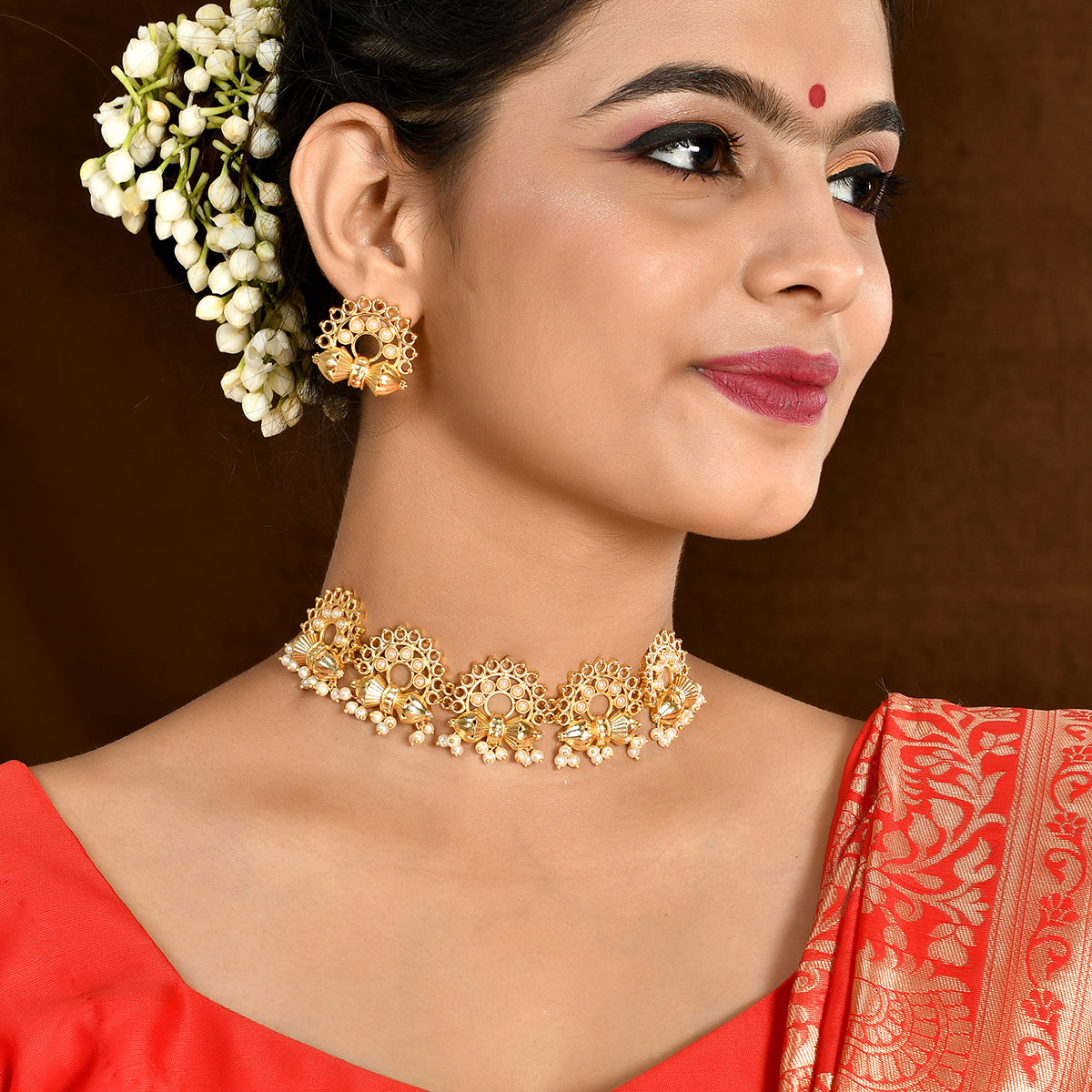
Pearls bring a softer, more refined energy to the red saree, offering an alternative to gold's boldness without sacrificing festivity. A pearl-studded choker against a red saree creates a beautiful, almost bridal-inspired contrast, the cool white tones of the pearls balancing the warmth of the red fabric in a way that feels elegant rather than overpowering.
This pairing has grown especially popular for the Anjali ceremony itself, where many women prefer a slightly more subdued, graceful look compared to the boldness reserved for evening pandal visits. A layered pearl-and-gold necklace strikes a particularly nice middle ground, giving you the richness of gold with the softness of pearl detailing.
Pearl drop earrings or small pearl studs complete this styling direction beautifully. For those wanting to lean further into the bridal aesthetic, a pearl maang tika adds a delicate finishing touch without adding visual weight. This combination works especially well for women who find fully gold looks a little heavy for daytime wear but still want something distinctly festive.
One underrated advantage of pearl jewellery: it photographs exceptionally well in natural daylight, which is exactly the lighting condition of most Ashtami morning Anjali ceremonies, making it a smart choice for anyone planning to capture the moment.
Kundan Jewellery with Red Sarees
For those wanting maximum drama, kundan jewellery against a red saree delivers an unmistakably regal, almost bridal-level impact. The way kundan stones catch and reflect light makes this pairing particularly striking in the evening, when pandal lighting and diyas add an extra layer of shimmer to the overall look.
A bridal jewellery kundan set, typically a statement necklace paired with matching earrings and sometimes a maang tika, works beautifully for Navami evening or Dashami visits, when the celebratory energy calls for a bolder aesthetic than the more devotional tone of Ashtami morning. Kundan earrings for women in oversized, chandelier styles pair especially well with the red saree's bold base colour, creating a look that feels intentional and elevated rather than accidental.
This season, kundan sets incorporating coloured stones alongside the traditional white work are especially popular, adding a pop of colour that plays beautifully against red fabric. Emerald or ruby accents within a kundan necklace, for instance, create visual interest without clashing with the saree's existing colour story.
Because kundan pieces tend to be more elaborate, it's worth keeping the rest of your accessories minimal, skip the layered necklace approach here and let one well-chosen kundan set carry the entire look.
How to Choose Jewellery Based on Saree Fabric
The fabric of your red saree matters more than most people realise when it comes to jewellery pairing. A crisp cotton or tant saree, so commonly worn on Ashtami morning, has a naturally understated texture, which means it can actually handle slightly bolder jewellery without looking mismatched, since the fabric itself isn't competing for attention.
Silk sarees, particularly Banarasi or Baluchari weaves often worn later in the festival, come with their own rich texture and sometimes intricate woven borders. With these fabrics, it's better to let the saree's natural richness lead and choose jewellery that complements rather than competes, a single strong necklace rather than multiple layered pieces, for instance.
Georgette or chiffon red sarees, increasingly popular for evening Durga Puja looks, pair beautifully with lighter, more fluid jewellery styles. Ethnic earrings women choose for these softer fabrics tend to be delicate danglers or small jhumkas rather than heavy, structured pieces that might feel disproportionate against the saree's lightweight drape.
As a general rule: the more textured or embellished your saree, the simpler your jewellery should be. The plainer the saree, the more room you have to go bold with your Durga Puja jewellery choices.
Traditional Bengali Jewellery Styling Ideas
Traditional Bengali styling for the red saree often centres around a few signature elements: a gold choker, jhumka earrings, and shakha-pola bangles (or their modern red-and-white equivalents). This combination has remained a Durga Puja staple for generations, and for good reason, it captures the exact spirit of the festival in a single, cohesive look.
For a more elaborate traditional approach, consider a bengali choker design gold paired with a longer haar necklace, creating the layered effect so central to Bengali festive jewellery. Add a maang tika resting delicately at the centre of the forehead, and the look instantly feels complete and ceremonially appropriate.
Nose rings and nath styles also carry strong traditional significance in Bengali jewellery culture, particularly for Ashtami morning looks. A simple gold nose pin or a more elaborate nath can add authentic cultural detailing that ties the entire outfit back to its roots.
For those seeking a lighter interpretation, light weight bengali gold choker designs offer all the visual richness of traditional pieces without the discomfort of wearing heavier jewellery through hours of standing, walking, and dancing across pandal visits.
Modern Durga Puja Jewellery Styling Tips
While tradition remains central to Durga Puja jewellery, modern styling has introduced some welcome flexibility. Mixing metals, pairing a gold necklace with silver-toned earrings, for instance, is increasingly acceptable and even trend-forward, offering a way to personalise a traditional look without straying too far from convention.
Layering has become one of the defining modern styling techniques for festive jewellery. Rather than committing to a single necklace, many women now pair a choker with a longer pendant chain, creating depth and visual interest that a single piece simply can't achieve. This works particularly well with artificial jewellery sets, since the lighter weight makes multiple pieces comfortable to wear together.
Another modern shift: treating jewellery as interchangeable rather than fixed to a single outfit. Instead of buying one elaborate set for the entire festival, many women now build a small wardrobe of pieces a bold gold plated jewellery set for Ashtami, something with pearls for a softer look, and a striking kundan piece reserved for the final evening.
Don't be afraid to mix textures either pairing a smooth gold choker with a textured, stone-studded pair of earrings adds dimension without requiring an entirely new outfit or colour palette.
Complete Jewellery Combinations for Day and Evening Puja Looks
For daytime Ashtami Anjali, aim for elegance over excess. A gold or pearl traditional necklace for women, small matching earrings, a delicate maang tika, and a couple of thin bangles create a look that's festive without being overwhelming appropriate for the more devotional, ceremonial tone of the morning.
For evening pandal hopping or Navami celebrations, this is where you can go bigger. Layered necklaces, oversized kundan earrings for women, stacked gold plated bangles, and a statement ring together create the kind of bold, photograph-ready look that suits the more celebratory, social energy of evening events.
For Dashami the emotional final day, marked by Sindoor Khela, many women return to a slightly more traditional, red-heavy aesthetic, often pairing gold jewellery with the red and white saree once again, echoing the look from Ashtami and bringing the festival full circle.
Whatever combination you choose, keep comfort in mind. Durga Puja involves hours of standing, walking, and dancing across multiple days, so even the most beautiful jewellery needs to be practical enough to wear comfortably from morning aarti to late-night dhunuchi naach.
Shop Durga Puja Jewellery Online at Voylla
Ready to put together your red saree look? Voylla's Durga Puja Edit has everything you need, from traditional gold-toned necklaces to statement kundan sets designed specifically for festive dressing. Browse earrings in jhumka, chandbali, and stud styles, elegant necklace sets for every fabric and neckline, and the full range of kundan jewellery and gold plated jewellery that this guide has walked through.
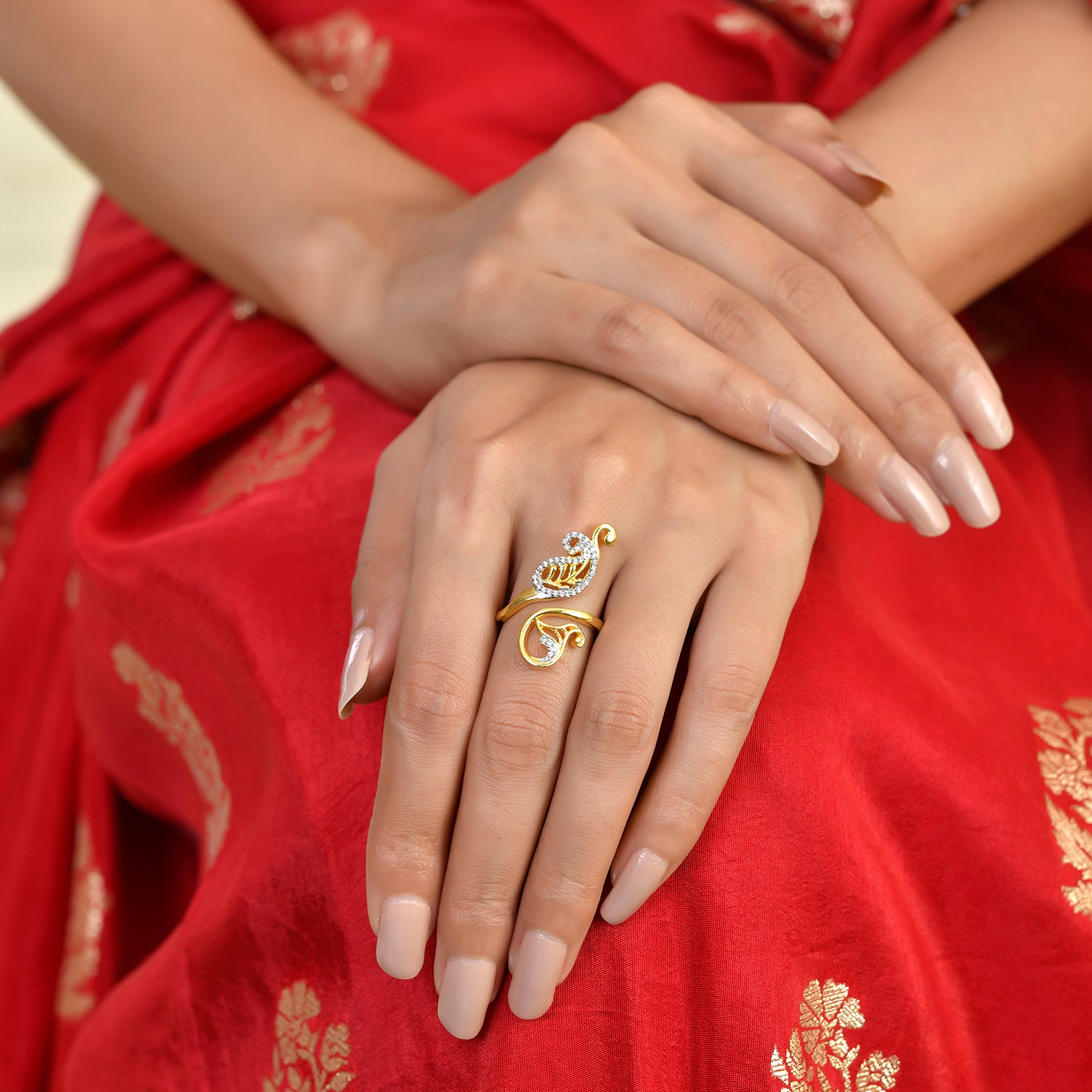
Complete your look with stackable bangles and statement rings, all designed to be worn comfortably through every event of the five-day celebration from Ashtami morning to Dashami evening.
Conclusion
Choosing between gold, pearl, and kundan for your red saree ultimately comes down to the occasion, the fabric, and your personal comfort with drama versus subtlety. Gold offers timeless warmth, pearl brings refined softness, and kundan delivers unmatched festive glamour and there's no rule saying you have to pick just one across the entire festival. The best Durga Puja jewellery wardrobe is one that flexes with each day's mood, letting you show up looking exactly as festive as the moment calls for, from a quiet Ashtami Anjali to a joyous Dashami farewell.
FAQs
What jewellery is best for a red and white saree during Durga Puja?
Gold jewellery is the most classic pairing, offering warmth that contrasts beautifully with red. Pearls work well for a softer, more refined look, while kundan suits evening events where a bolder, more festive statement is appropriate.
Can I wear kundan jewellery for Ashtami morning?
Yes, though many women prefer lighter gold or pearl pieces for the Anjali ceremony itself and save kundan for evening celebrations. Ultimately, it comes down to personal preference; kundan can absolutely work for daytime if styled with a simpler saree.
How many jewellery pieces should I wear with a red saree?
Aim for balance rather than a fixed number. If your saree is simple, you can layer more pieces: necklace, earrings, bangles, and a maang tika. For richer fabrics, stick to one or two statement pieces so the jewellery doesn't compete with the saree.
What is the difference between gold and gold-plated jewellery for Durga Puja?
Gold-plated jewellery replicates the look of real gold at a fraction of the cost, using a base metal coated in a thin layer of gold. It's a practical, affordable choice for festive dressing, especially when you need multiple pieces across five days of celebration.
Is pearl jewellery suitable for evening Durga Puja events?
Pearl jewellery tends to suit daytime and morning events best, given its softer, more understated character. For evening functions, many women pair pearls with gold or opt for bolder kundan pieces that better match the festive evening energy.
